Faces Places
THE INSIGHT
In Faces Places, Agnès Varda and JR travel through rural France making huge portraits of ordinary people and pasting them onto the buildings where those people live and work. The film didn’t make me want to copy what they did; it reminded me that a photograph doesn’t have to end up trapped on Instagram, inside a frame or buried on a hard drive. Years ago, it pushed me to paste one of my own portraits onto a wall in Brick Lane. For a moment I wasn’t promoting anything or feeding an algorithm—I was creating a small guerrilla project, right there in the real world. That’s what inspiration does at its best: it doesn’t give you an idea to steal; it reminds you that more is possible.
THE QUESTION
We often treat looking at films, books and other photographers’ work as an indulgence—something we’ll do after the “real work” is finished. But perhaps inspiration is part of the real work: the fuel that connects a few loose dots and sends us somewhere we wouldn’t have reached alone. What might you create if you stopped treating inspiration as time wasted and started treating it as creative research?
THE CHALLENGE
Choose one of your photographs and put it back into the world somewhere beyond social media. Leave it inside a magazine in a bookshop or library, slip it into the collection tray of a vending machine to surprise the next person, display it in a café or shop window, pin it to a public noticeboard, leave it on a train seat, hand it to a stranger or invent your own way for somebody to discover it—using permission where it’s needed and leaving no damage behind. Get it printed anywhere; it doesn’t need to be a beautiful, expensive print—an image from an ordinary printer on a sheet of paper is enough. Take a photograph of it in its new home, on your smartphone if you like, and post the process when you reply to this email. The rule is simple: take one photograph off the screen and give it a life of its own.
Don’t forget to reply to this email with your image and some words describing how you got on.
the CONTACT SHEET
YOUR INSIGHTS
In last weeks newsletter I asked you to slow down and allow something ordinary to catch your attention. Don’t question why. Get closer and remove as much as possible from the frame until nothing competes with it. Remove everything but the atmosphere. Make one overlooked thing feel impossible to ignore.
Tim Clark | @timclarkih
What did you attempt?
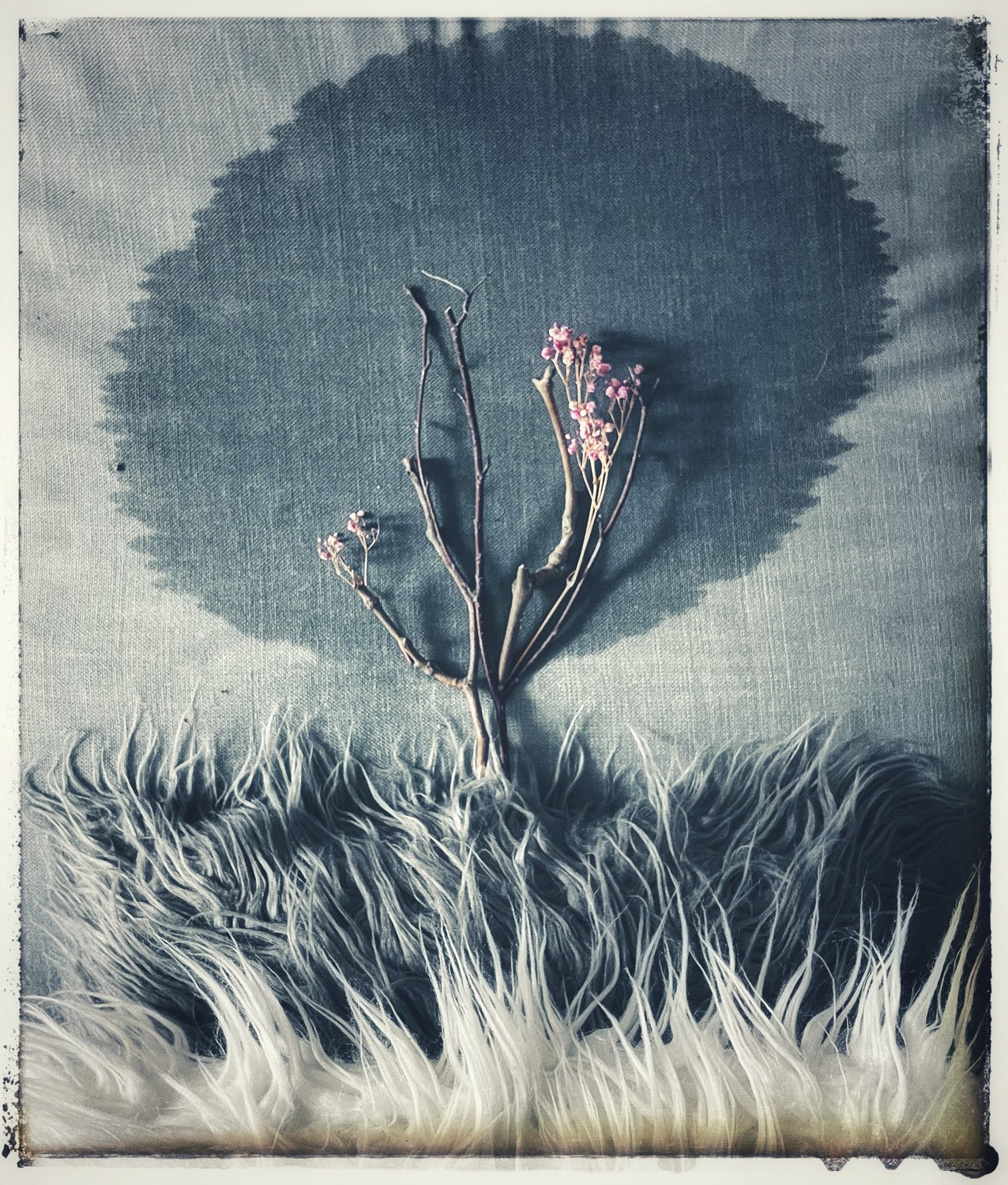
Furniture water spillages and furry cushions just get overlooked in photography!
Split water on the sofa became an unplanned photo shoot.
Just added bits form the room. It looked like a wild landscape.
So I worked on that theme.
What challenged you?
Nothing really.
One little idea kept leading to other ideas.
What did you discover?
I realised the brief was to take things out…!!
Anyway, without this challenge this wouldn’t have happened.
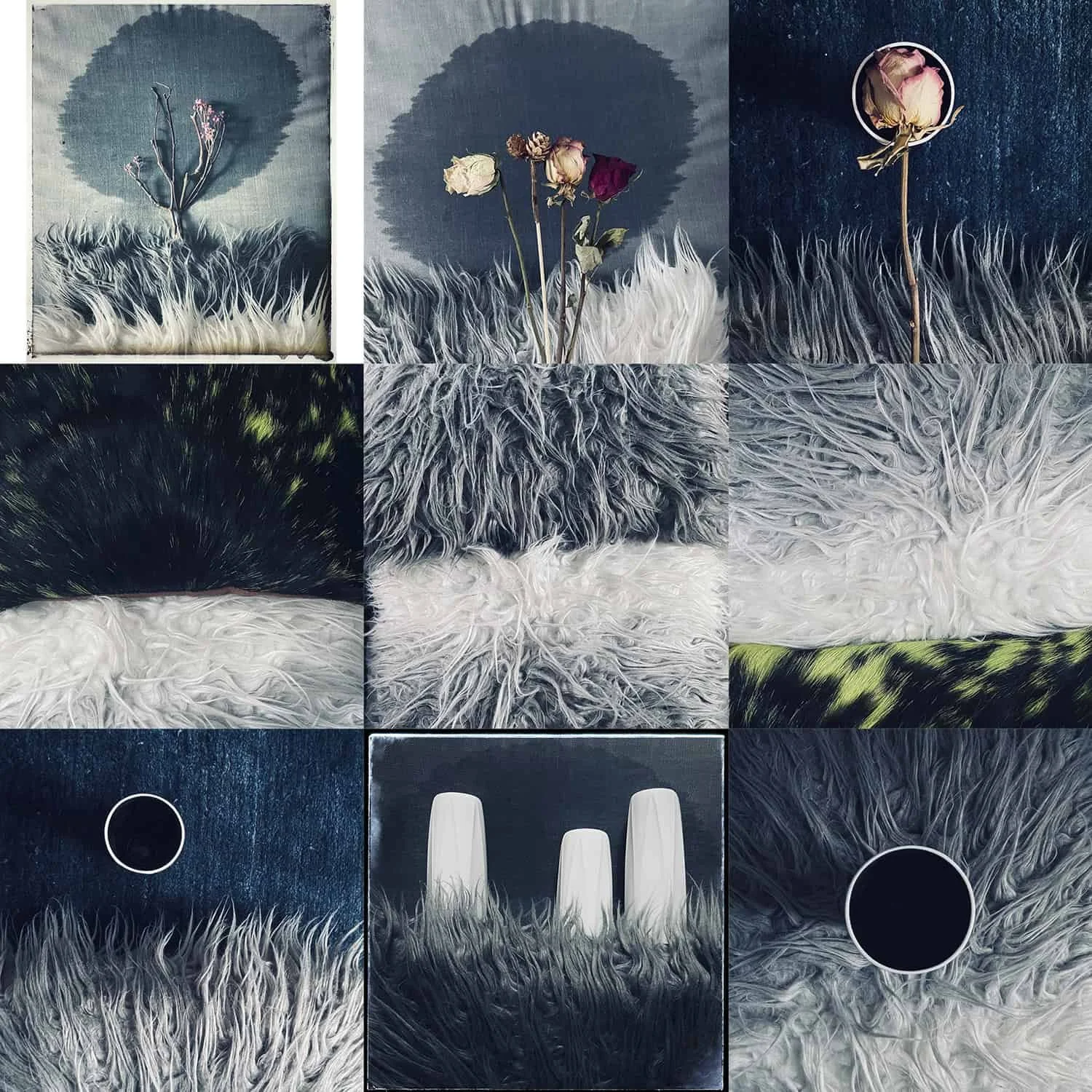
Note: Tim also submitted this collection grid.
ISO Steve| @isosteve100
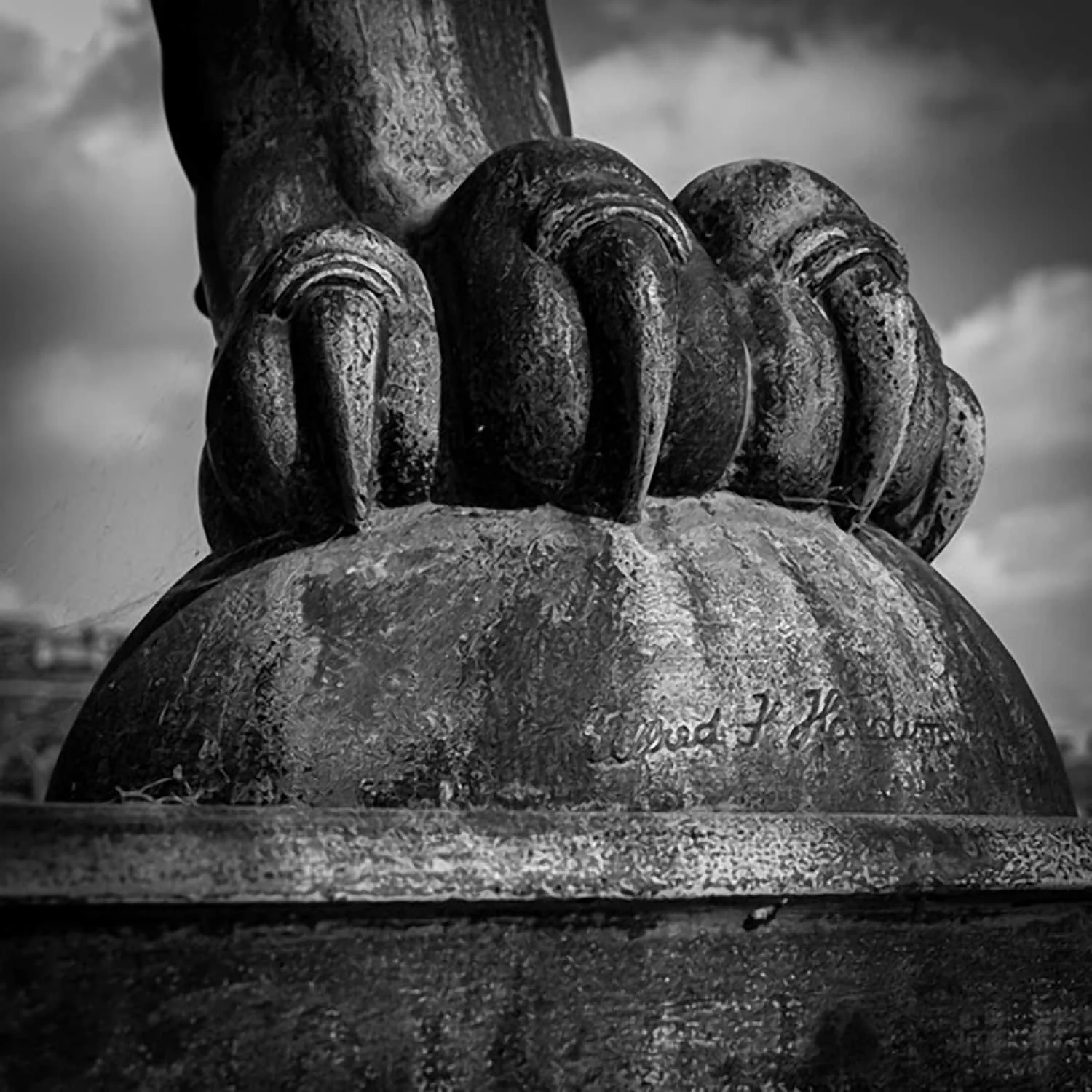
I’ve walked past these lion statues outside the City Hall many times.
They were not my intended subject for the challenge.
But today I stopped and actually looked at them.
There, on one of the lion’s feet, was a name and a date:
Alfred F. Hardiman — 1936
Well, obviously I had to investigate.
Born in London in 1891, he died in 1949 at Stoke Poges.
Turns out Alfred was pretty handy with a hammer and chisel.
He was the sculptor who made the lions.
And he knocked out a fair few sculptures during his career.
So there I was, looking for something completely different, and ended up photographing a lion’s foot and researching a bloke who’d been dead for nearly 80 years.
When he died, his effects came to £7,707 4s 7d — right down to the last sevenpence.
You really never know where a photo challenge will take you.
Dave Walker | @davewalker.photo
For this challenge, I wanted to go out and capture some of those really random things we often see in shop windows, highlighted by some beautiful strong sunlight.
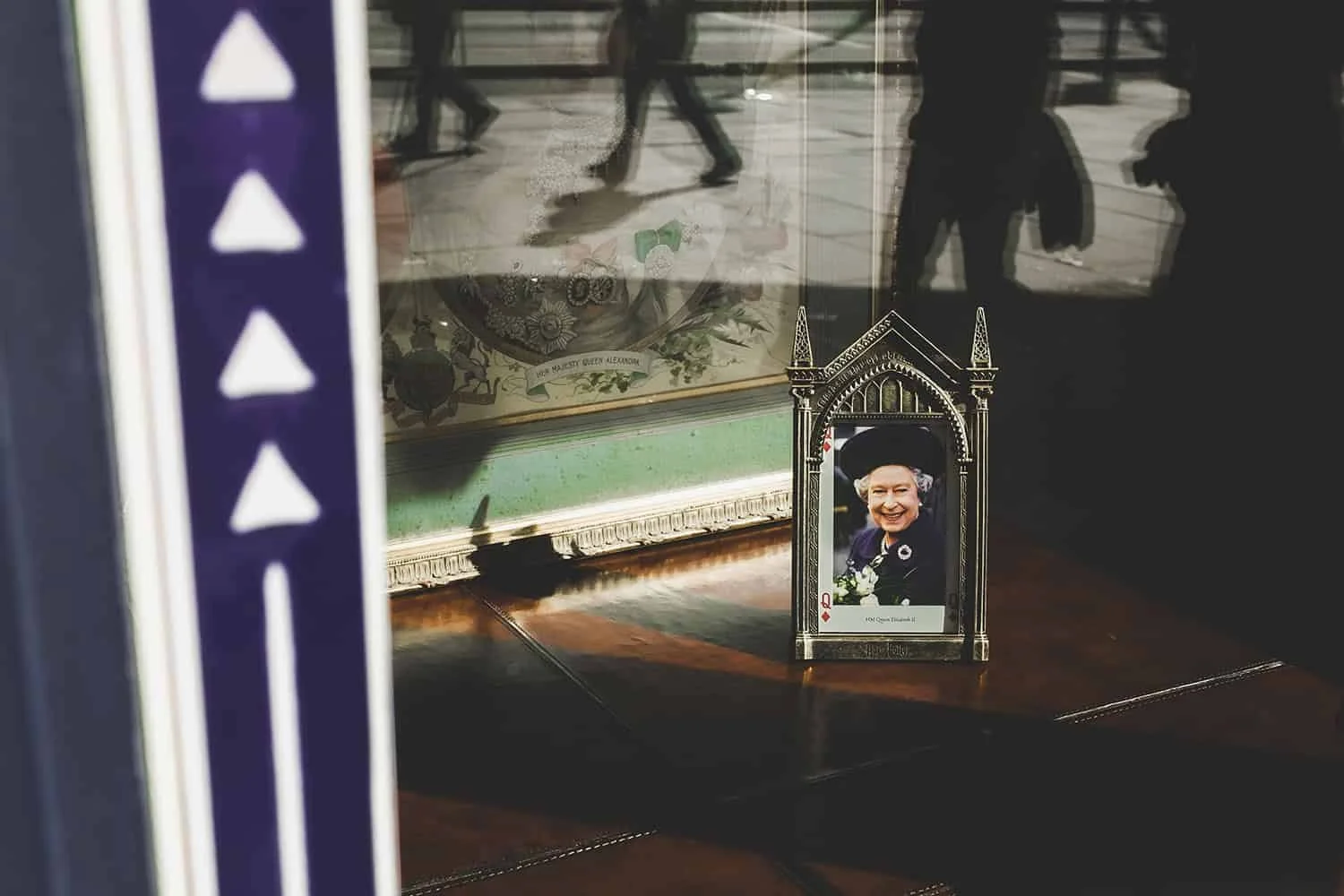
Obviously I wasn’t sure what I was looking for but figured i’d know when i found it. My total random being a framed picture of the late Queen sitting on an old chest of drawers in what looked like an antique shop. Initially i tried to remove some of the unnecessary elements focusing on just the shadows and textures, but felt the window reflections just helped give the image a bit more context.
Stuart Mills | @millsyshoots
I picked the people that look after our towns and cities, keeping them maintained and clean. Quietly going about their day fighting the never ending battle of trying to keep things nice just for everyone to casually drop their litter or damage the environment we all share
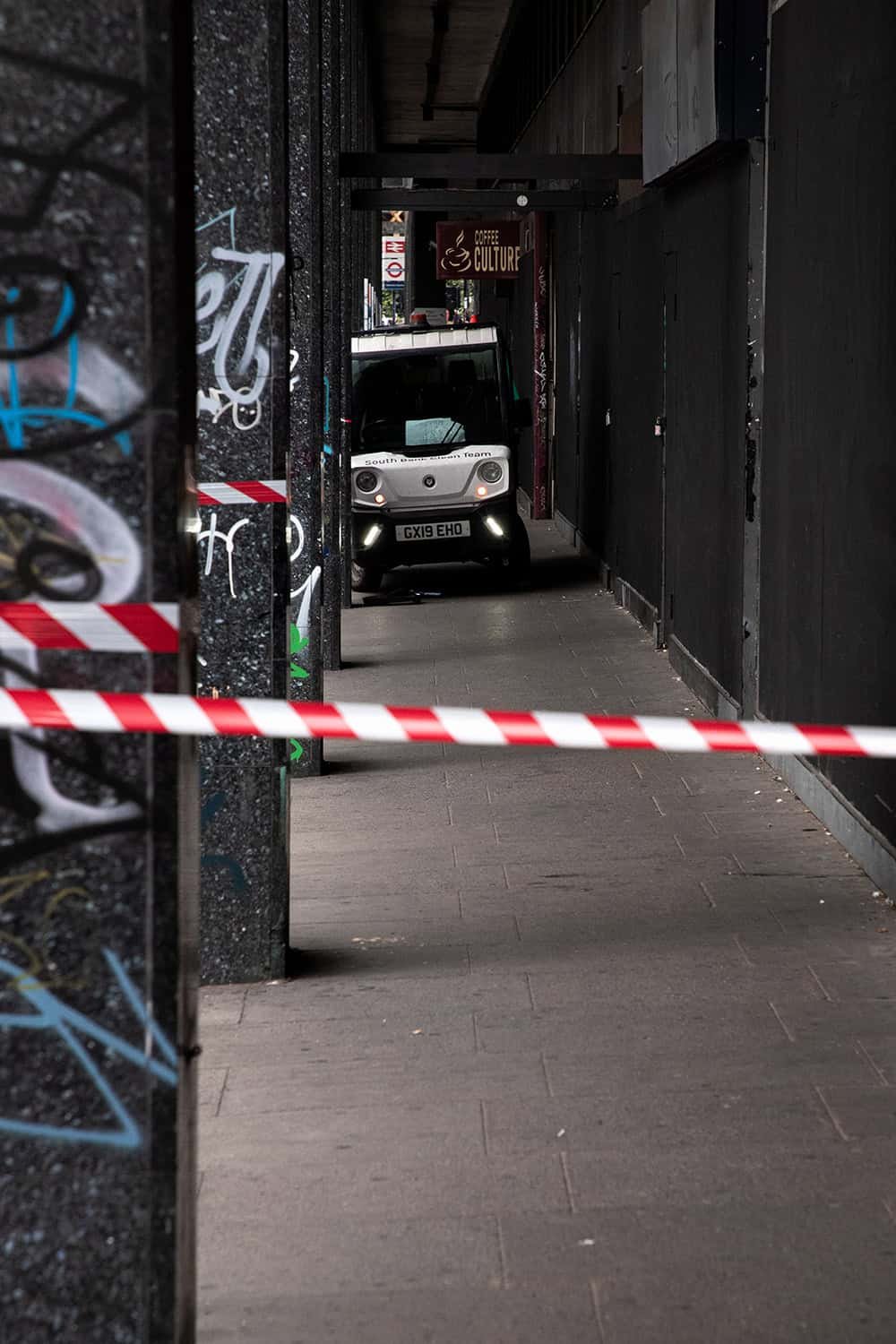
Johannes Mueller | (No IG)
The dead fly on marble in a men’s restroom caught my eye after having finished my stand-up business. I had tried hard to find these kind of shots. This one was different. I realized that we find it by letting it find us. Sounds paradox. Overlooked beauty or something overlooked very interesting doesn’t usually shout at us: “ I’m interesting. I’m beautiful.” It is quite - so I feel my best approach is to be in a calm state of curiosity not forcing or expecting anything- just being open. Anyway- in my opinion, there is no hidden beauty. It’s just on a different frequency.. it’s up to us to tune into it.
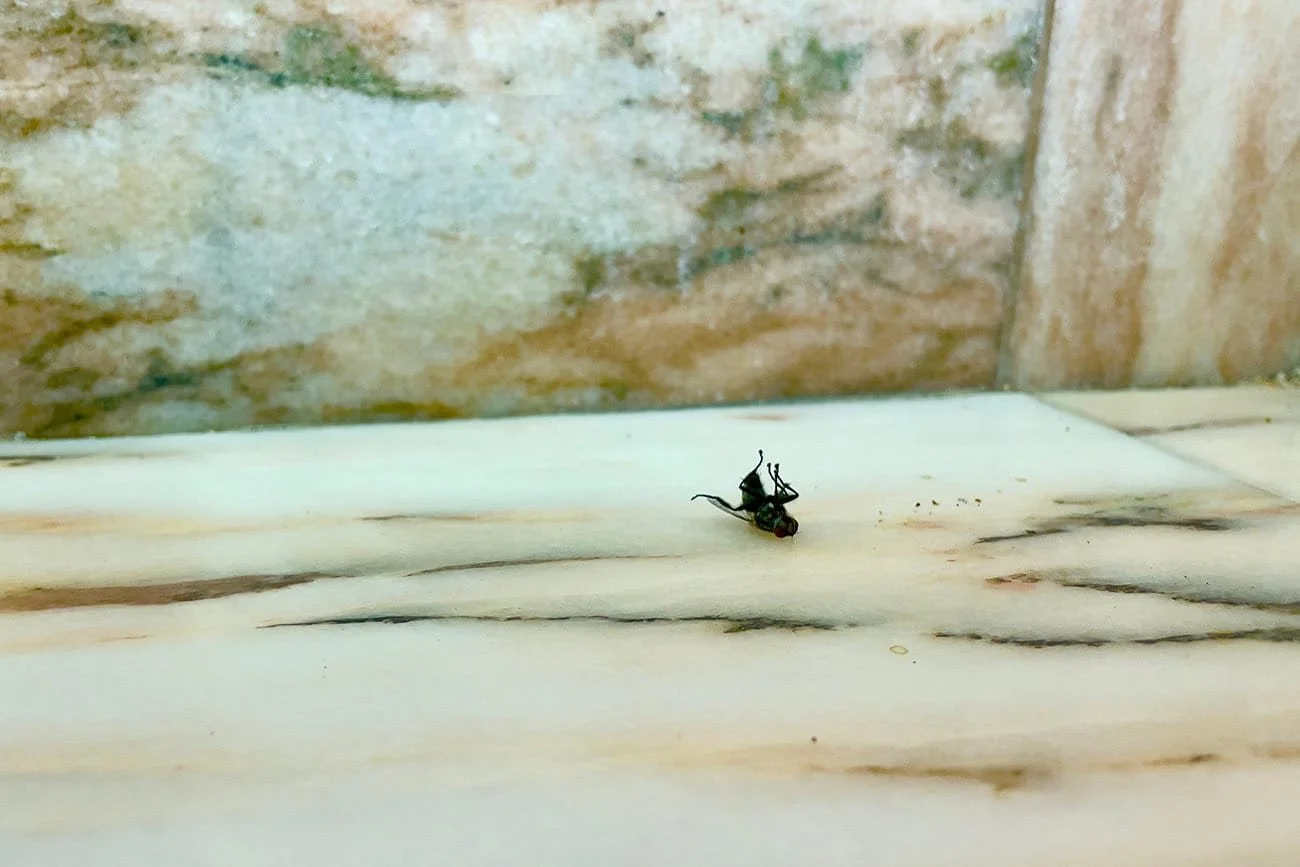
I still haven’t figured out how the poor fly died. Was it a heart attack or was it the victim of a massive bio-chemical gas release of the gentleman before me?
Greetings from Athens
Don’t forget … each week, reply to the newsletter with your images and your insights. Get involved and I will share a handful each week right here on the newsletter. Also … tag your images on Social media @idaretoshoot and #idaretoshoot to be featured on DARE.
Dispatch Archives